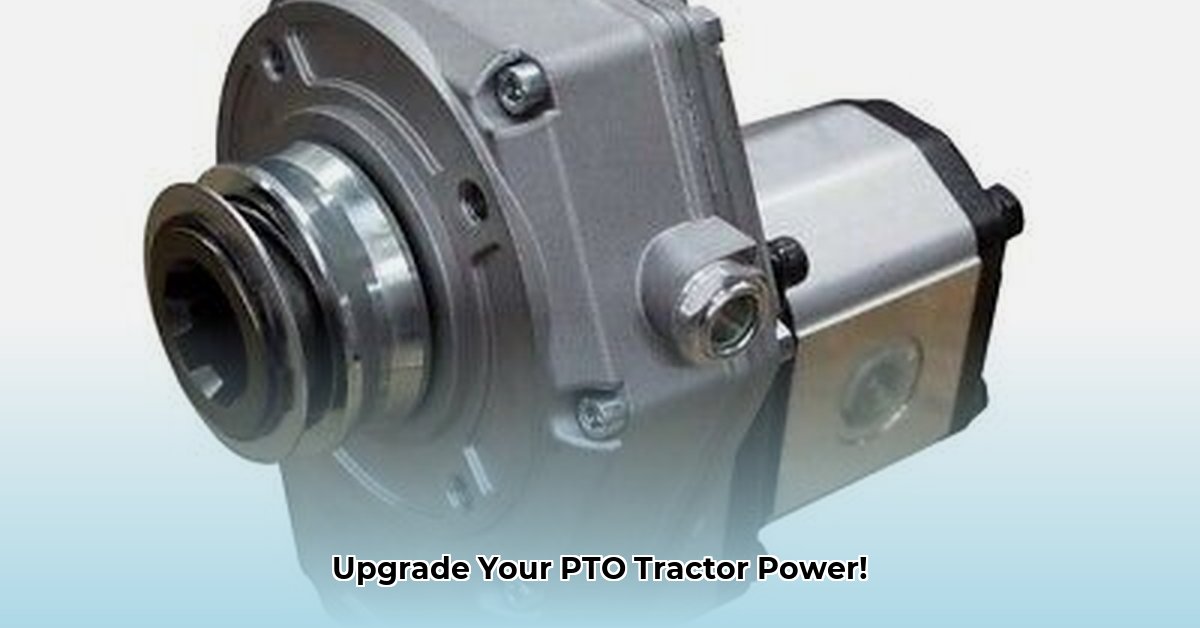
Understanding the 2025 PTO Tractor Hydraulic Pump Market
The demand for PTO tractor hydraulic pumps is surging, driven by intensified farming practices and large-scale infrastructure projects. However, this increased demand is outpacing supply, resulting in stock shortages across various online marketplaces, including Amazon. This disparity stems from supply chain disruptions and fluctuating raw material costs. While this presents challenges for immediate acquisition, the long-term market outlook remains positive, contingent on continued technological innovation. Experts predict sustained growth fueled by the ongoing need for efficient agricultural machinery. Is this increased demand a temporary anomaly, or a sign of lasting change in agricultural technology? For optimal hydraulic fluid performance, consider using high-quality hydraulic fluid.
Selecting the Right PTO Tractor Hydraulic Pump
Choosing the right PTO hydraulic pump is crucial for maximizing productivity and minimizing costly downtime. The lack of standardized product descriptions complicates the selection process. Therefore, focusing on pump types initially simplifies the decision-making. Three primary types exist: gear, vane, and piston pumps, each exhibiting unique strengths.
Pump Types: A Comparative Overview
Gear Pumps: These pumps are generally less expensive and easier to maintain but offer lower efficiency at higher pressures. They are suitable for applications requiring lower pressures and flow rates.
Vane Pumps: Vane pumps provide a balance between efficiency, cost, and versatility. They are a good all-around choice for a wide range of applications.
Piston Pumps: These pumps excel in high-pressure applications but are more complex and expensive. They are ideal for heavy-duty tasks requiring significant force.
Once the optimal pump type is determined, consider these key specifications:
Flow Rate (GPM): This specifies the volume of hydraulic fluid moved per minute. Higher GPM translates to faster operation but mandates a system capable of handling the increased flow.
Pressure (PSI): This indicates the force the pump generates. Higher PSI is required for applications needing substantial force.
Power Requirements (HP): This denotes the horsepower needed to operate the pump. Ensure your tractor's PTO horsepower adequately exceeds the pump's requirement to avoid strain or underperformance.
Remember to align your pump selection with your budget and intended use. A small farm may only need a low-flow, low-pressure pump, whereas a large commercial operation would require a more powerful system. This careful consideration is vital for operational efficiency and cost-effectiveness.
Maintaining Your PTO Tractor Hydraulic Pump: A Longevity Guide
Regular maintenance is paramount for maximizing the lifespan of your PTO hydraulic pump, minimizing downtime, and reducing operational costs. Prevention is far more cost effective than reactive repair.
Essential Maintenance Steps:
Regular Fluid Checks: Frequently inspect the hydraulic fluid level. Low fluid levels can cause irreversible damage. Use the manufacturer-recommended hydraulic fluid type.
Leak Detection: Regularly examine the entire system for leaks around the pump, hoses, and connections. Addressing small leaks promptly avoids significant problems developing later.
Visual Inspections: Periodically inspect the pump for damage such as cracks, dents, or loose parts. Early detection and repair prevents costly problems.
Adherence to Manufacturer Guidelines: Strictly follow the manufacturer’s recommended maintenance schedules, including fluid changes and filter replacements.
Troubleshooting begins with these basic checks. However, more complex issues might require professional assistance. Don’t hesitate to seek help from qualified mechanics for issues beyond your expertise. Investing in preventative maintenance is a cost-effective strategy for maximizing return on investment.
The Future of PTO Tractor Hydraulic Pumps: Innovation and Sustainability
The PTO hydraulic pump market is dynamic, with ongoing technological advancements emphasizing sustainability. Manufacturers are heavily investing in R&D, leading to improved efficiency and durability. Innovations in materials and design are resulting in lighter, stronger, and more environmentally friendly pumps.
Future trends point towards more energy-efficient options, such as hybrid or solar-powered systems, aligning with the global push towards sustainable farming. These innovations will not only increase operational efficiency but also reduce environmental impact. The timeline for widespread adoption relies heavily on ongoing R&D progress and market acceptance.
Regulatory Compliance: Environmental and Legal Considerations
Responsible handling and disposal of hydraulic fluids are critical. Familiarize yourself with all applicable local, regional, and national regulations governing hydraulic fluid usage, disposal, and machinery operation. Compliance safeguards the environment and avoids potential legal repercussions. Improper handling can lead to environmental damage and substantial fines. Responsible fluid management is an integral part of responsible pump ownership.
Actionable Steps for Smart Buying in 2025
Assess Your Needs: Precisely determine the flow rate (GPM), pressure (PSI), and horsepower (HP) requirements for your specific applications. Underestimating your needs leads to underperformance and downtime.
Research Pump Types: Carefully compare gear, vane, and piston pumps, considering their strengths and weaknesses to select the optimal type for your tasks and budget.
Compare Pump Specifications: Thoroughly compare manufacturers' specifications, warranties, and customer reviews for informed decision-making.
Prioritize Maintenance: Implement a detailed maintenance schedule to prolong the pump's lifespan. This includes regular fluid checks, leak inspections, and filter changes.
Stay Informed: Remain updated on emerging technologies, regulatory changes, and market trends for informed decisions regarding your equipment.
Investing in a reliable PTO tractor hydraulic pump is a crucial investment in the success of your operation. Careful consideration and diligent maintenance ensures years of trouble-free performance. Seek professional guidance if uncertainty arises during the selection or maintenance process. They can provide customized recommendations based on your individual needs.